
CISSONEC develops the capacity of sector actors on Resource Mobilization

African Non-State Actors’ Position for UNFCCC COP31
October 28, 2026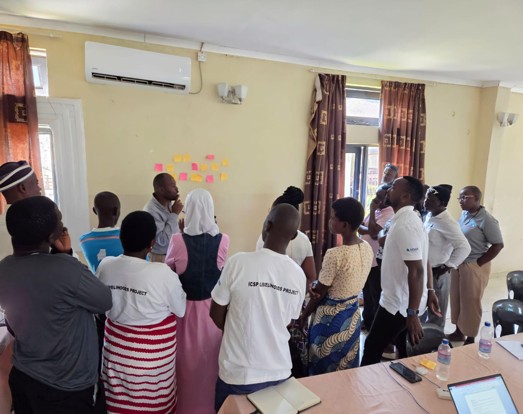
Malawi submitted its NDC 3.0 to the United Nations Framework Convention on Climate Change (UNFCCC) in July, 2026. Implementation requires USD 7.06 billion, an amount almost equivalent to its 2026/2026 national budget of K10.978 trillion (approximately $6.46 billion). With growing impacts of climate change affecting key economic sectors of Agriculture, energy and transport, the country must either push for COP31 to deliver on climate finance pledges or mobilise resources from existing funding windows. But do key climate actors, youth, women, and CSOs have the capacity to mobilise resources?
Of the USD7.06 billion required to implement Malawi’s climate commitments, USD2.78B must come from domestic resources; and USD4.28B from international financing, representing 39% and 61% of the resources needed, respectively.
For a least developed country like Malawi, the struggle to meet the climate commitments boils down to its capacity to meet its development needs with its meagre domestic resources.
As a prominent climate change network, CISONECC advocates for inclusive participation of non-state actors in the development and implementation of policy instruments to support rural communities’ rights to access and manage resources and to build resilience to climate shocks. A critical focus is to secure representation of diverse stakeholders in policy processes and build the capacity of these key stakeholders to mobilise resources for the implementation of climate policies, strategies and plans.
Following the submission of the Nationally Determined Contributions (NDC 3.0), the Civil Society Network on Climate Change (CISONECC) is taking a leading role in raising awareness about and capacitating stakeholders to mobilise resources for the implementation of the NDC 3.0.