
African Civil Society Calls for Climate Justice Action and Increased Finance as UNFCCC SB64 Opens in Bonn

PACJA attends 64TH Subsidiary Bodies SUMMIT (SB64) in Bonn
June 6, 2026
PACJA and Amazonian Organizations Join Force For Climate Justice
June 15, 2026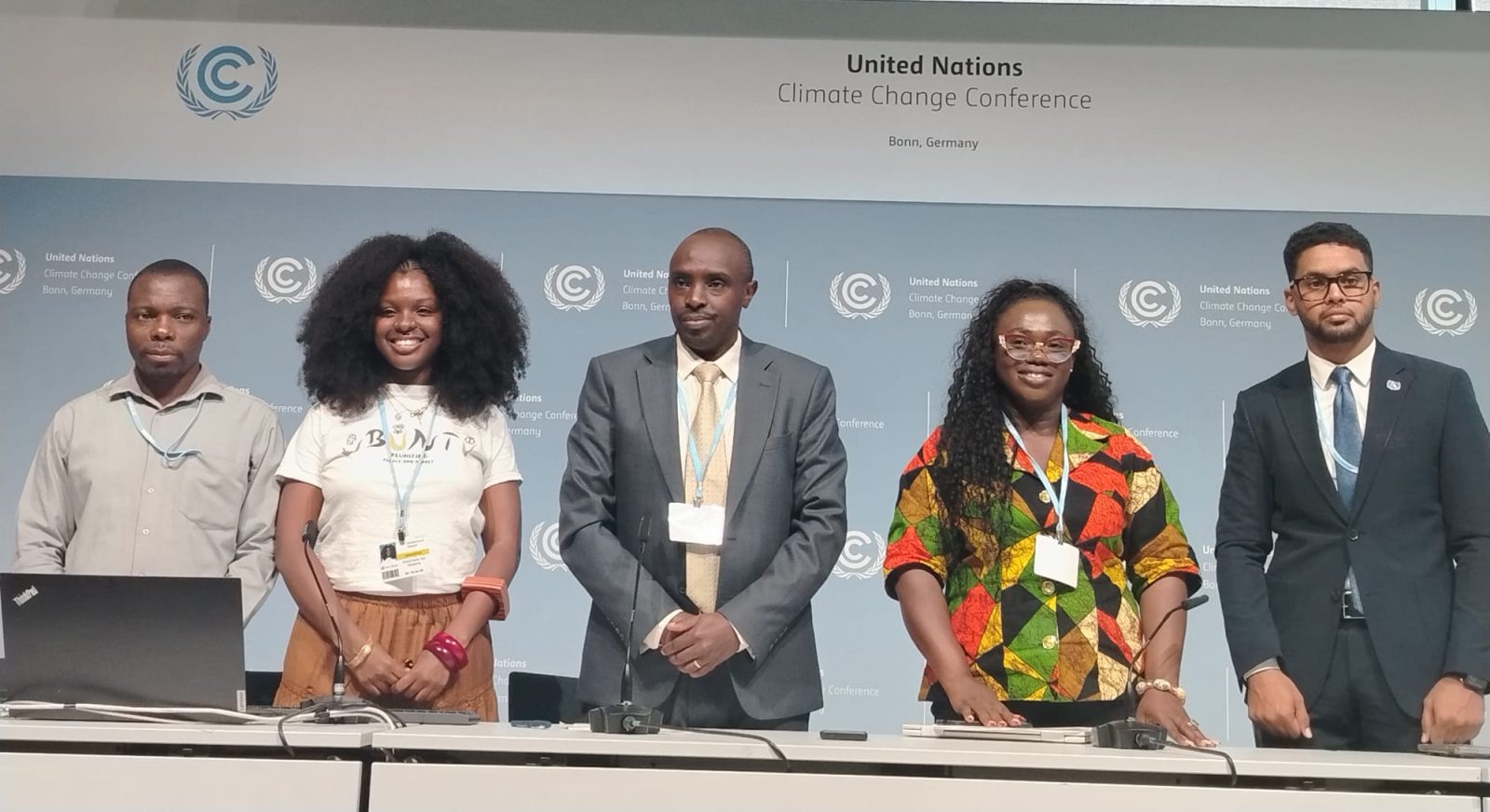
Bonn, Germany, 9 June 2026 – Africa Civil society organizations coalesced under the pan-African climate justice alliance (PACJA), participating in the sixty-Fourth sessions of the subsidiary Bodies (SB64) of the United Nations Framework on Climate Change (UNFCCC) have called for a decisive shift from climate promises to the implementation of Climate Justice actions that respond to the urgent realities facing vulnerable communities in Africa.
PACJA expressed concern over the omission of Loss and Damage and National Adaptation Plans (NAPs) from the proposed SB64 agenda, describing the exclusion of these critical issues as a setback for climate justice and vulnerable populations. The Alliance aligned itself with concerns raised by the Africa Group of Negotiators, emphasising that meaningful negotiations must address the needs of communities already experiencing climate impacts.
African civil society organizations have entered SB64 with three key priorities:
First, ensuring that climate finance moves from rhetoric to delivery. PACJA called for developed countries to fulfill their obligations under the Paris Agreement by providing predictable, grant-based, accessible, and additional climate finance to developing countries. The Alliance also urged negotiators to establish concrete frameworks and accountability mechanisms to deliver on climate finance commitments, including the goal of mobilizing US$1.3 trillion annually for developing countries.
Second, advancing a genuinely just transition for Africa. With more than 600 million Africans lacking access to electricity, PACJA emphasized that climate action must support industrialization, energy access, job creation, skills development, and sustainable economic transformation. The Alliance called for dedicated financing, technology transfer, and capacity-building support to enable African countries to pursue nationally determined just transition pathways.
Third, placing adaptation and resilience at the center of global climate action. PACJA underscored that adaptation is a matter of survival for Africa and called for stronger support to implement the Global Goal on Adaptation, with indicators that reflect local realities, food security, water access, public health, ecosystem integrity, and community resilience.