The Vital Heritage: Preserving Indigenous Knowledge for Future Generations

GCF Board Approves USD 700.6 Million for Climate Action, with Africa Receiving 26% of Total Investments
July 7, 2026
PACJA to co-host 14th to chart the Road to COP31 and COP32 at CCDA-XIV
August 28, 2026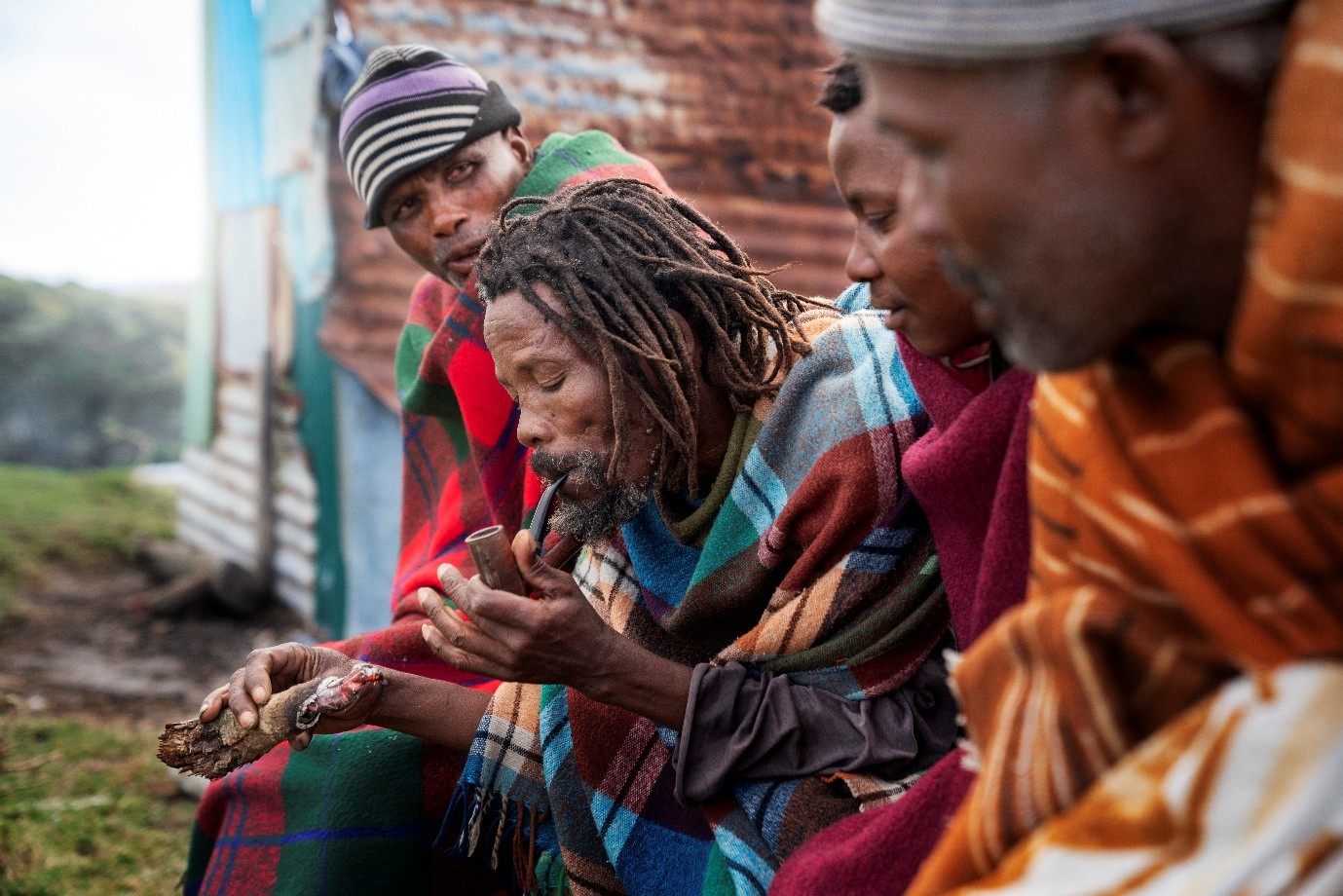
Across many communities in Africa, Indigenous knowledge has long served as a guide for living with nature, managing resources and strengthening social cohesion. It is found in oral traditions, local languages, customary governance systems, environmental practices and the collective experiences of communities that have interacted with their surroundings for generations. Yet despite its importance, Indigenous knowledge is increasingly at risk of disappearing.
When people think about Indigenous knowledge, they often imagine traditions belonging to the past. However, Indigenous knowledge is far more than a collection of old customs. It is a living system of knowledge that continues to help communities respond to environmental challenges, adapt to a changing climate and maintain cultural identity. As modernisation, urbanisation and globalisation continue to reshape societies, an important question emerges: what do we stand to lose when Indigenous knowledge disappears?
One of the greatest losses is the disappearance of Indigenous languages. Language is more than a tool for communication; it is a repository of memory, identity and environmental understanding. Within many Indigenous languages are unique ways of describing landscapes, weather patterns, plants, animals and ecological relationships. When a language disappears, entire systems of knowledge can disappear with it. Stories, proverbs and environmental observations that have been passed down through generations become increasingly difficult to preserve and transmit.
The loss of Indigenous knowledge also weakens environmental governance. For generations, Indigenous communities have developed practical approaches to managing natural resources through observation, experience and adaptation. In pastoral communities across the Horn of Africa, for example, elders have traditionally relied on environmental indicators, seasonal patterns and local ecological knowledge to guide decisions relating to grazing, water use and drought preparedness. These practices evolved through centuries of interaction with the environment and continue to offer valuable insights in the face of climate change.
Unfortunately, Indigenous knowledge has often been overlooked in favour of purely technocratic or scientific approaches to environmental management. While science plays a critical role in understanding environmental challenges, the exclusion of local knowledge can result in policies that fail to reflect community realities. The most effective environmental solutions are often those that recognise the value of multiple knowledge systems and create space for collaboration between communities, researchers and policymakers.
The disappearance of Indigenous knowledge also threatens cultural identity. Across many communities, knowledge is transmitted through storytelling, poetry, rituals, songs and everyday interactions between generations. These practices help communities understand who they are, where they come from and how they relate to the world around them. When younger generations become disconnected from these traditions, communities risk losing not only knowledge but also a sense of belonging and continuity.
Women are particularly important custodians of Indigenous knowledge. In many rural communities, women possess extensive knowledge relating to water management, food systems, medicinal plants and environmental stewardship. Yet their contributions are often overlooked in formal decision-making processes. Losing Indigenous knowledge therefore also means losing valuable perspectives that are essential for building resilient and sustainable communities.
Children and future generations also bear the consequences of this loss. Environmental degradation, climate change and biodiversity decline are already affecting access to food, water, health and education in many parts of the world. Indigenous knowledge offers important lessons about sustainability, stewardship and intergenerational responsibility. When such knowledge disappears, future generations lose access to experiences and practices that could help them navigate increasingly complex environmental challenges.
However, the future of Indigenous knowledge is not entirely bleak. Around the world, communities, researchers and organisations are working to document oral histories, revitalise Indigenous languages and strengthen community-based environmental governance. There is growing recognition that Indigenous knowledge is not a relic of the past but an important resource for the future. Increasingly, policymakers are acknowledging that sustainable environmental governance requires the meaningful participation of Indigenous communities and the inclusion of their knowledge systems.
Protecting Indigenous knowledge requires more than documentation. It requires creating spaces where Indigenous communities can continue to practice, adapt and transmit their knowledge on their own terms. It means recognising Indigenous land rights, supporting Indigenous languages, promoting intergenerational learning and ensuring that communities are genuine partners in environmental decision-making processes.
Perhaps the greatest lesson Indigenous knowledge teaches us is that human wellbeing and environmental wellbeing are inseparable. Long before concepts such as climate resilience, sustainability and ecosystem-based management became common in policy discussions, Indigenous communities understood that caring for nature was essential for the survival of future generations. This understanding remains just as relevant today as it was centuries ago.
As environmental challenges continue to grow in scale and complexity, the question is no longer whether Indigenous knowledge has value. The real question is whether we can afford to lose it. By protecting Indigenous knowledge, we are not simply preserving traditions; we are safeguarding cultural identity, environmental wisdom and practical solutions that future generations may depend upon.
Yusra Abdi- Gender Officer PACJA