New PACJA Strategic Plan (2026-2030) in Place: What Does It Include?

A Communiqué from the 5th African Regional Conference on Loss and Damage
April 13, 2026
Key points raised by PACJA on Pathways to Beneficiation and Regional Value Chains in Critical Minerals
April 27, 2026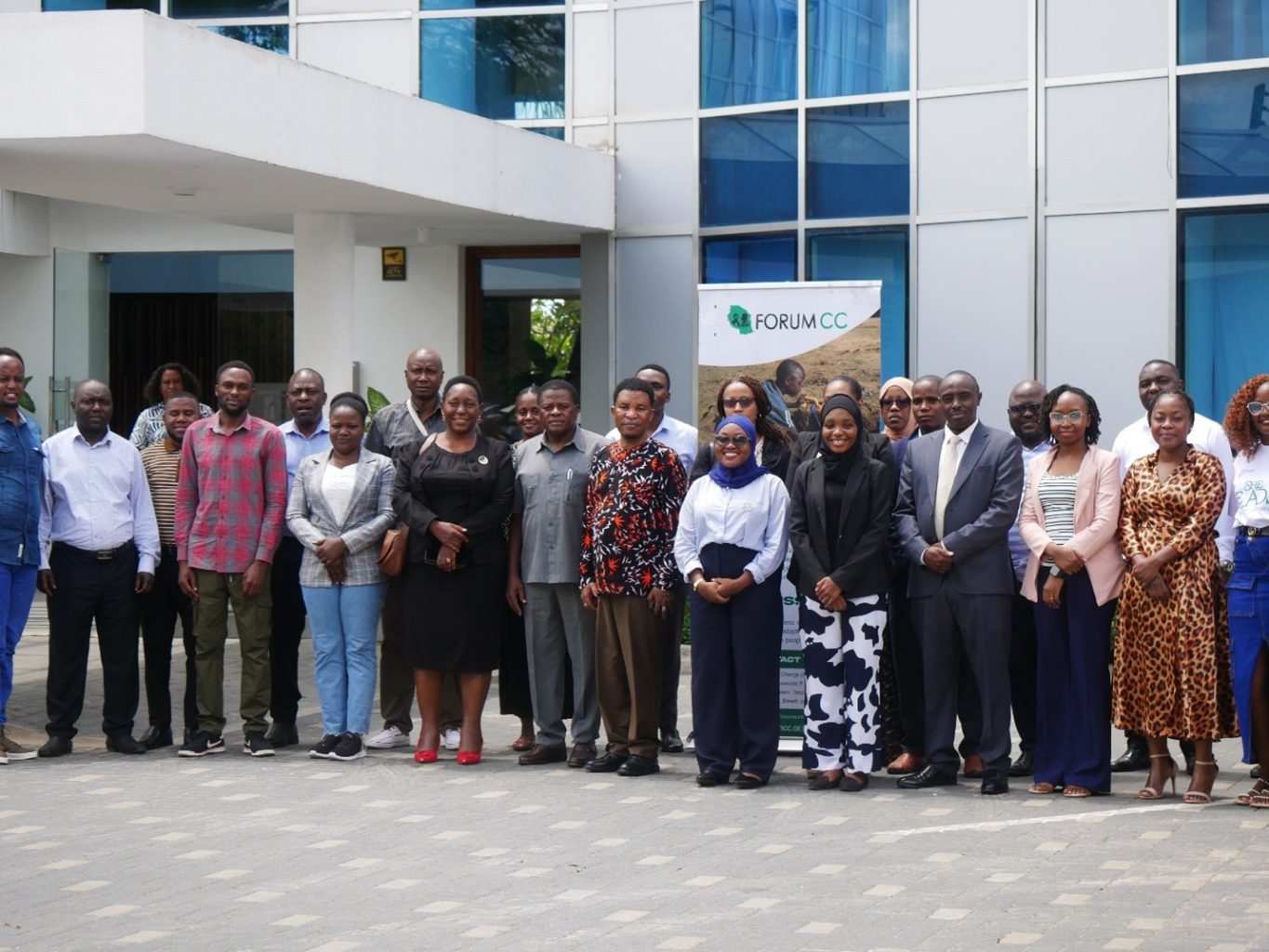
The Pan African Climate Justice Alliance (PACJA) and its partners gathered in Dar es Salaam, Tanzania, to validate the new Strategic Plan for the years 2026 to 2030. This new strategy represents the final five-year phase of PACJA’s overarching strategic framework for 2021-2030. The goal of the meeting was to gather comprehensive input from diverse stakeholders, ensuring that the plan is relevant, credible, impactful, and collectively owned, particularly within the context of Africa’s dynamic and complex global environment.
One of the key priorities of this strategy is to deepen attention to climate security, particularly in regions such as the Sahel and the Horn of Africa, alongside a critical focus on mineral resources in Southern and Central Africa. This approach aims to ensure that local conditions and resource availability are considered when formulating climate policy.
The new strategic plan seeks to strengthen the interconnection between policy, finance, and community livelihoods by ensuring that grassroots innovations are reflected in national budgets and Nationally Determined Contributions (NDCs). Thus, this strategy also aims to empower local communities in the climate dialogue.
During the presentation of the plan, it was highlighted that there are ongoing efforts to cultivate a robust multi-level architecture for public engagement. This includes bolstering non-state actor groups to enhance their participation in the upcoming COP1 and COP32 conferences, thereby ensuring a diverse range of voices and perspectives are represented.
In recent years, your role has not been prominent in climate justice advocacy and policy influence. In this strategic plan, PACJA intends to expand youth initiatives, building on successful programs such as the Nairobi Summer Schools on Climate Justice and the Youth for Adaptation Finance. These programs aim to engage and empower the younger generation in climate advocacy and finance.
To broaden collaborative efforts, the strategy envisions establishing global partnerships that extend beyond Africa, including collaborations with platforms in Azerbaijan and Brazil, as well as with Afro-descendant groups around the world.
A dedicated research strategy is also embedded in the plan, which will enhance NDC tracking and contribute to the development of Knowledge Products that support informed decision-making in climate policy. Moreover, the new Strategic Plan aims to enhance the model law on climate with the Pan-African Parliament, ensuring legal frameworks are in place to support environmental governance.
Addressing accountability in climate finance, the strategic plan emphasizes tracking the utilization of funds and beneficiaries while advocating for grant-based support rather than loans to foster sustainable development.
The extractives sector has recently gained momentum, and PACJA has been at the centre of discussions advocating for Africa to benefit from the supply of critical minerals. Recognizing Africa’s strategic role in the global supply, the new strategic plan seeks to leverage this position to negotiate fair terms that support climate action.
Overall, the PACJA Strategic Plan 2026-2030 integrates climate justice across multiple sectors, including water, health, gender, food sovereignty, and trade, as a pivotal aspect of the strategy.
Under this plan, PACJA intends to empower communities through rights-holder literacy, which is expected to enable individuals to demand transparency and justice, fostering an environment of accountability in climate activities.