Harmonizing Loss and Damage: Bridging Climate Impact and Ecosystem Resilience
Navigating Climate Change Impacts in Africa: Perspectives on Loss, Damage, and Financial Resilience
March 20, 2024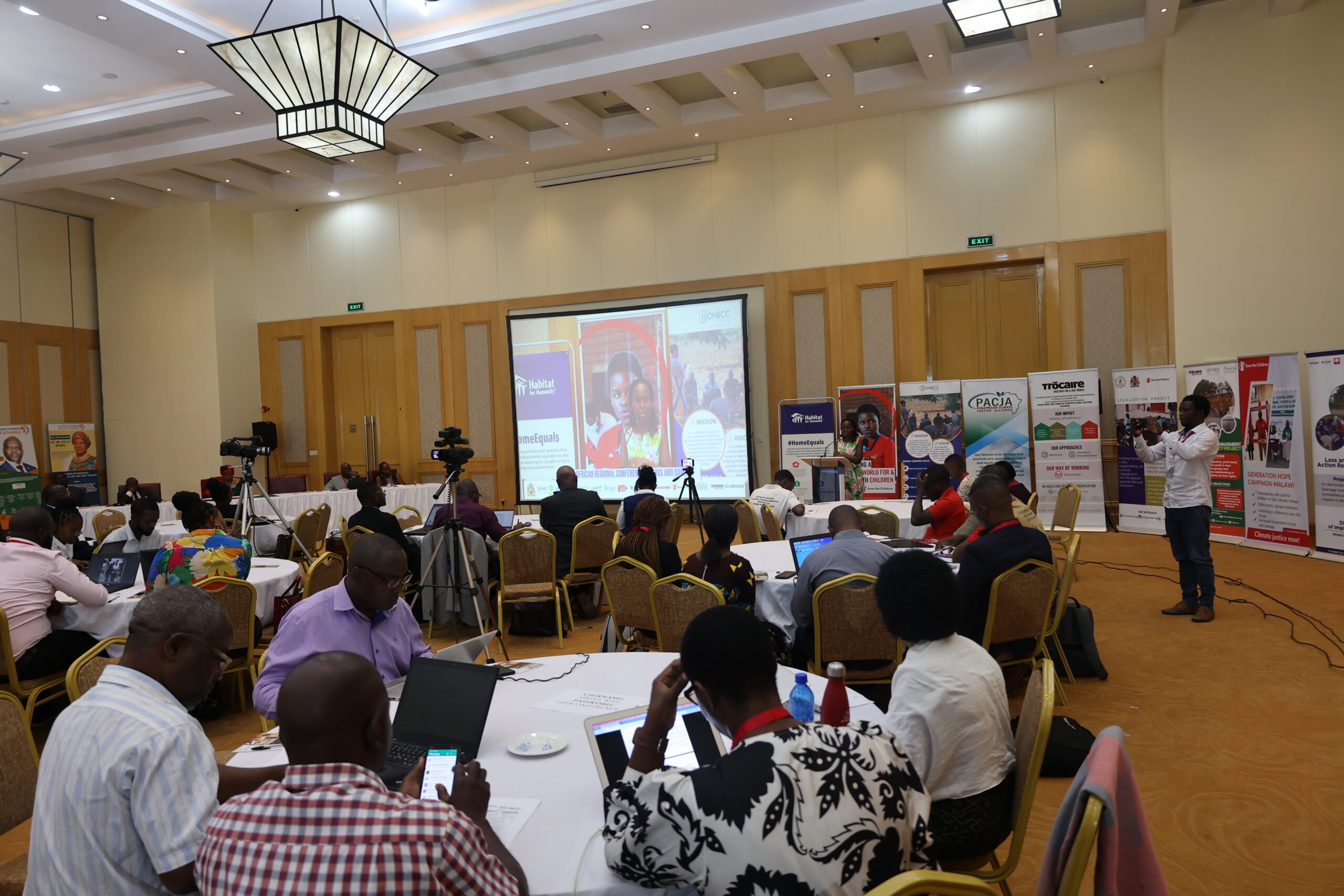
Declaration of the Third African Regional Conference on Loss and Damage
March 23, 2024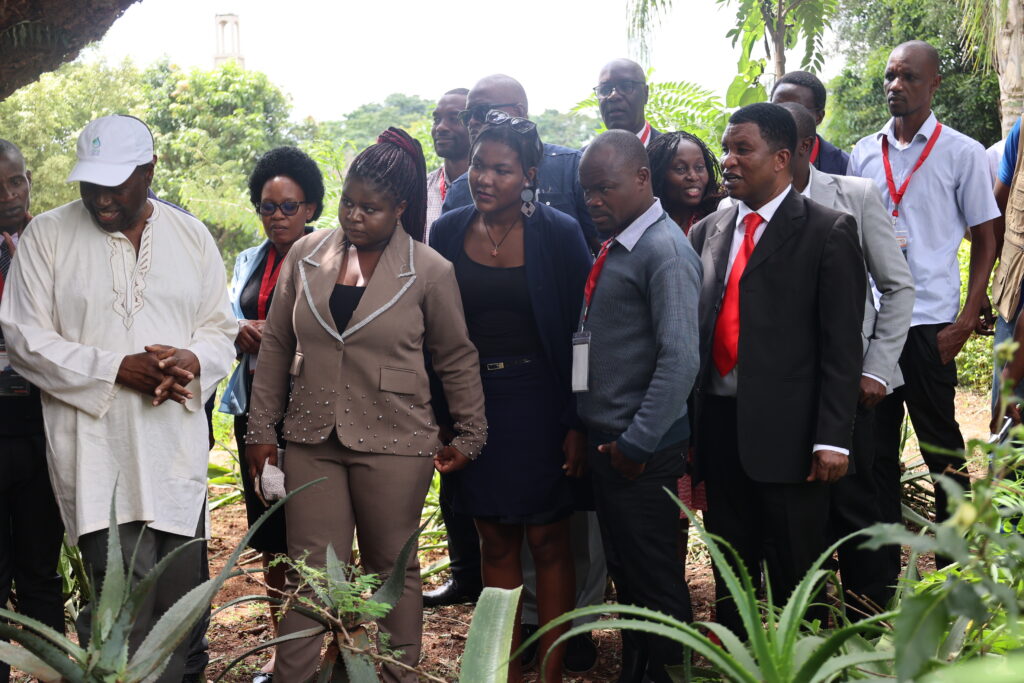
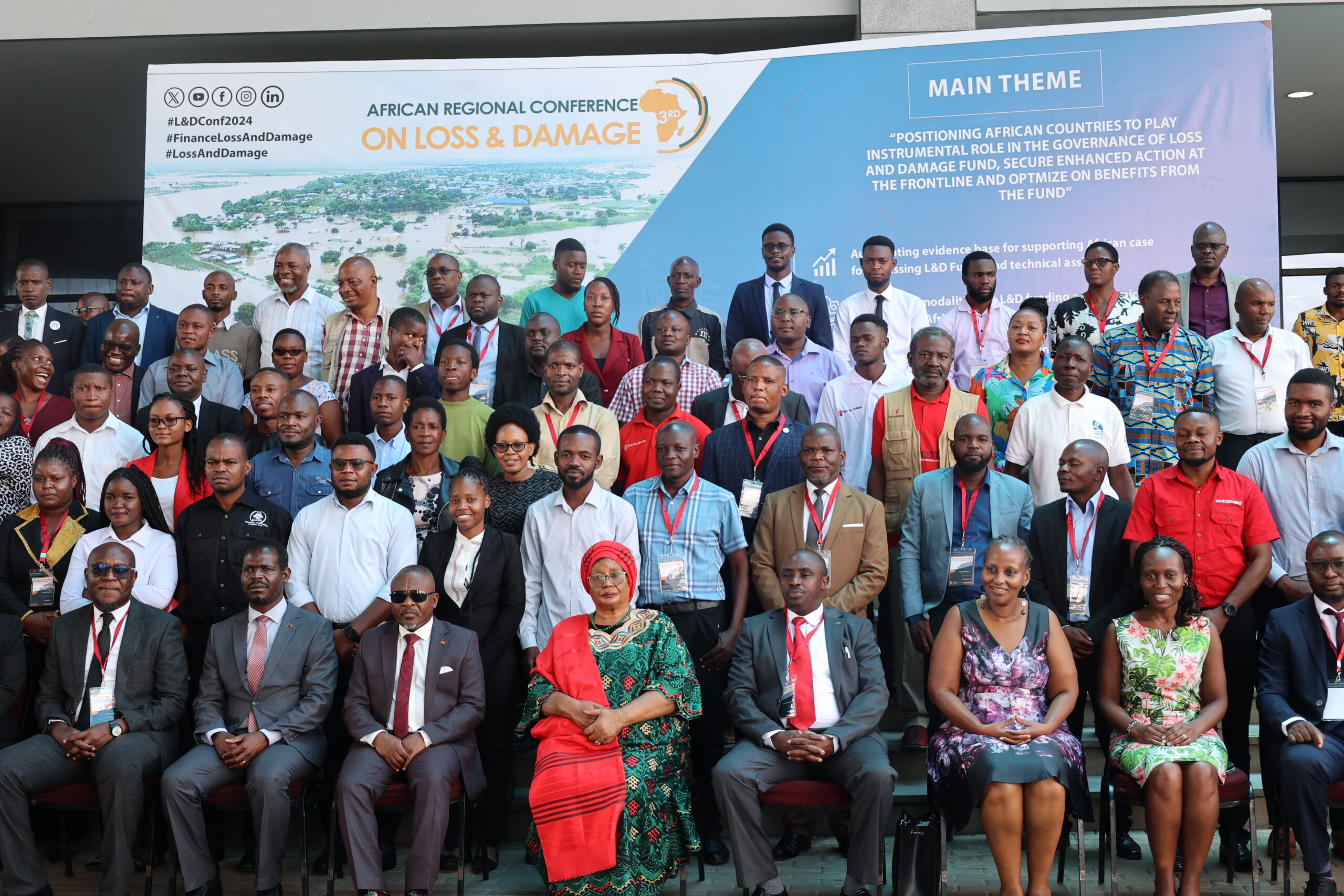
The second day of the 3rd African Regional Forum on Loss and Damage commenced with renewed enthusiasm as delegates engaged in a thorough review of the discussions held on the preceding day. These initial exchanges laid a solid foundation for further deliberations on the critical issues surrounding loss and damage. Kicking us off was the Executive Director of the Pan-African Climate Justice Alliance, Dr. Mithika Mwenda who delivered a stirring address, emphasizing the critical need to confront the challenges posed by climate change. The conference, which has brought together experts and stakeholders from across the continent, is serving as a platform to discuss strategies for mitigating the impacts of climate-related loss and damage.
In his remarks, Dr. Mwenda underscored the significance of establishing a robust framework for addressing loss and damage, noting that while the creation of the loss and damage fund marked a significant achievement for Africa, it was imperative not to lose sight of the core issues at hand. He emphasized the importance of ensuring that the fund is accessible to the communities most affected by the climate crisis, with minimal bureaucratic hurdles and a mechanism for amplifying the voices of those directly impacted. “Building conversations from the grassroots to the international levels is essential,” Dr. Mwenda stated, “to ensure evidence-based advocacy and the implementation of effective policies around climate finance and loss and damage.”
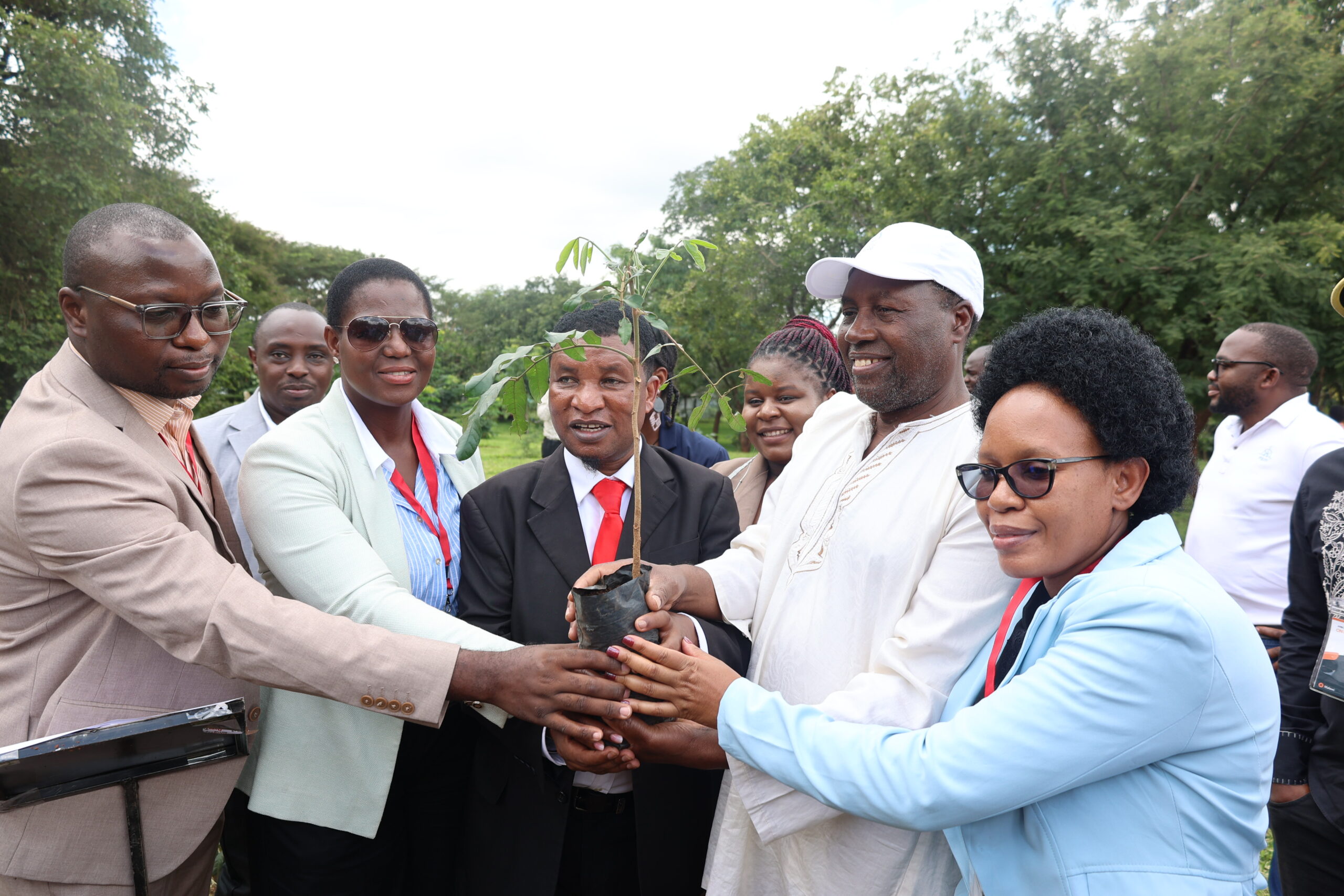
Julius Ng’oma, National Coordinator of CISONECC, echoed Dr. Mwenda’s sentiments, highlighting the success of the conference’s high-level session featuring former President of Malawi, Dr. Joyce Banda, and Minister of Natural Resources and Climate Change, Dr. Michael. Both leaders expressed unwavering support for addressing the issue of loss and damage, providing momentum for raising awareness and urging action from colleagues in the global north.
During the second day of the 3rd African Regional Conference on Loss and Damage, experts emphasized the pressing need to accelerate access to financing and technical assistance for addressing loss and damage. Discussions centered around framing institutional arrangements and technical support mechanisms to effectively tackle these challenges across African countries. Furthermore, there was an exploration of the existing governance landscapes in Africa and positioning strategies for effective action. The importance of building a robust ecosystem of evidence on loss and damage was highlighted, with a focus on scaling up evidence to support funding initiatives. Additionally, attention was drawn to the role of evidence in accessing climate finance, stressing the preparatory measures countries must implement to enhance their access. Overall, the conference highlighted the multidimensional approach required to address loss and damage in the context of climate change in Africa. Watch the proceedings here.
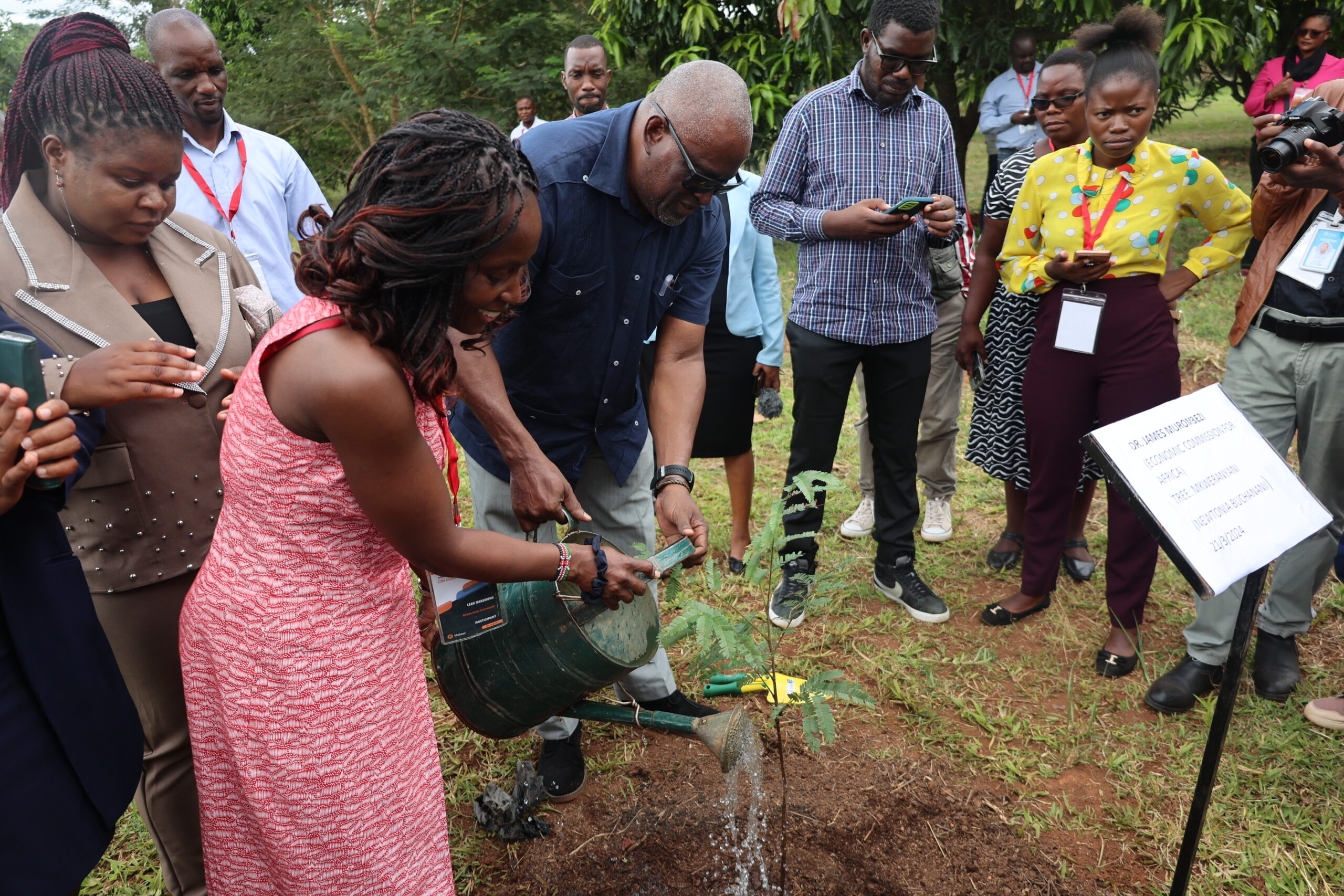 As delegates convened for the conference, they also took part in a meaningful tree-planting initiative in honor of the International Day of Forests. This act of environmental stewardship serves as a poignant reminder of the interconnectedness between climate change and ecosystem health, underscoring the importance of proactive measures to safeguard our planet’s resources. This year’s theme “Forests and Innovation” is indeed indicative of how times have changed and how we should be looking into out-of-the-box ways of protecting, conserving, and restoring our forests. Involving technology is key in achieving a sustainable way to preserve our forests. Initiatives such as the JazaMiti initiative is the Kenyan presidential directive where Safaricom in partnership with the Ministry of Environment and Climate Change & Forest ICT (MoE, CC& ICT) have come together to drive the 15 billion tree planting initiative commissioned by the President This is one such innovation. that facilitates and enhances tree planting programs by allowing users to users in selecting suitable tree species for planting based on their location, documenting, tracking, and monitoring the growth of documented trees over time.
On the other hand, we had an opportunity to speak to Zacharia Magombo, the director of The National Herbarium & Botanic Gardens. He provided insight into the diverse programs aimed at ensuring the continuous protection of Malawi’s indigenous species. Magombo emphasized the necessity of three key actions for maintaining a sustainable forest cover: selecting and planting appropriate tree species in suitable regions, ensuring proper planting techniques, and implementing effective tree management practices.
In conclusion, the discussions during the 3rd African Regional Conference on Loss and Damage stressed that stakeholders need to continue collaborating and implementing these strategies to mitigate the impacts of climate change and ensure the resilience of African nations against loss and damage.